A PWA is a modern web app that delivers an app-like experience directly through the browser. It loads quickly, works offline using features like smart caching. It also supports features like push notifications, and background updates. Users can install it on their home screen without visiting the app store. PWAs feel smooth, open instantly and stay reliable even on slow networks.
PWAs work offline, load faster, and can send push notifications, making them feel more like native apps. Regular web apps are accessed only through web browsers.
Choose a PWA over a native app when you want maximum reach, lower development costs and faster deployment without waiting for app store approvals. PWAs are perfect for SEO-driven platforms, e-commerce and content-heavy products that load fast, update instantly and work smoothly across all devices and browsers. They are lightweight and work well on slow network or low end devices making them ideal if you are targeting a global audience. And as PWAs are built on the web, they integrate naturally with your existing website infrastructure without having to download updates. They are also ideal if you want frictionless onboarding, and a unified experience across phones, tablets and desktops.
Yes, PWAs are highly suitable for businesses as they facilitate cost-effectiveness, cross-platform presence, and high-performance. The best part is, PWAs combine native-app-like features such as offline capability and push notification with the reach of a website, making them ideal for startups aiming at high user engagement and conversion rate.
The industries that benefit the most from PWAs are:
- E-commerce
- Travel and Tourism
- Banking and Finance
- Logistics and Transportation
- Gaming and Streaming Platforms
- Media and News
Yes, we build HIPAA-compliant PWAs that keep patient data fully protected. Simpalm emphasizes secure HTTPS, encrypted communication, and strong security measures that are essential for HIPAA-compliant systems. Your PWA will include secure APIs, role-based access, protected data storage and strict audit controls to ensure that sensitive health information stays safe.
Yes, absolutely. PWAs are built to work even when the network drops, letting your team enter data instantly and sync it automatically once they are back online. We offer features like offline mode, background sync and fast loading that are perfect for high-volume data entry and field operations. Get a smooth and responsive app-like experience across all devices.
Here are some examples of popular Progressive Web Apps: Twitter Lite, Starbucks, BMW, Flipboard, Pinterest, Spotify, AliExpress, and Uber.
Yes, PWAs can be installed on mobile devices just like native apps, which will appear on the device home screens. Users don’t have to download PWAs from app stores, and can still launch them without the browser bar.
Yes, Progressive Web Apps (PWAs) can work offline by using service workers to cache essential files and data. This allows users to access core features and content even when they don’t have an internet connection.
Yes, PWAs can send push notifications using service workers and the Push API. This feature is supported by most modern browsers, including Chrome, Edge, and Firefox.
Yes, we create progressive web apps that integrate smoothly with your existing hardware system. PWAs can communicate with devices through Bluetooth, Wi-Fi, native device APIs or other supported interfaces, allowing real-time data exchange and device control. Our strength in BLE and Wi-Fi protocols makes hardware connectivity seamless.
Yes. Progressive Web Apps are built using modern web technologies, making it easy to integrate AI-powered features such as chatbots, recommendation engines, smart search, voice assistants, predictive analytics, and personalized user experiences.
Yes. Progressive Web Apps are compatible with both Android and iOS devices. While certain advanced features may vary depending on the operating system and browser, the core functionality remains available across both platforms.
Yes, we can build both a cross-platform mobile app and a PWA for the same product. Simpalm has already delivered solutions across web, mobile and backend, so creating a unified ecosystem is part of our expertise. Get a seamless experience across iOS, Android and all browsers with shared features and consistent performance. We typically use Flutter or React Native to have a single source code for cross-platform and PWA apps.
PWAs and hybrid apps differ in how they are built and distributed. A Progressive Web App runs directly in a web browser without requiring installation from an app store. A hybrid app is a web application wrapped inside a native container that must be downloaded from app stores. PWAs are easier to maintain with a single codebase, while hybrid apps typically require separate builds for Android and iOS.
Yes, PWAs are SEO-friendly because they facilitate faster loading, a mobile-first approach, enhanced UX, and responsive design. Your PWA can scale higher in the search engine rankings, ensuring better online visibility.
Yes, we do. Since PWAs rely heavily on clean URLs, fast loading and structured content, we can fix SEO issues and implement the right optimization to improve search visibility. We also add SEO-optimized meta tags and content so that search engines can understand your PWAs better.
Yes. Simpalm has dedicated UI/UX teams that design PWAs for smooth, fast and responsive experiences across all devices. Our design team makes sure that PWAs are designed for different smartphones, tablets and desktop screen sizes. Get visually appealing and user-friendly designs so you get interfaces that feel modern, intuitive and app-like.
Yes, we can help convert your existing website or web app into a Progressive Web App by integrating a service worker for facilitating offline capabilities, a manifest file for instructing the browser on app behavior upon being installed, and a responsive design that can work seamlessly across all platforms.
Yes, Simpalm can provide a dedicated PWA developer if you don’t want to outsource the entire project. We have experienced PWA specialists who can work exclusively with you as part of your team.
Depending on the complexity of your PWA development project, it might take 3 weeks to 6 months to build it.
PWA development ranges from $10,000-$100,000 depending on your features, designs, needs and integrations. A basic PWA usually costs $10,000-$25,000, a standard one falls between $25,000-$60,000 while advanced builds with complex workflows and security land in the $60,000-$100,000 range. The more customization and backend complexity you need, the higher the investment.
Progressive Web Apps improve user engagement by delivering fast loading speeds, offline access, app-like experiences, and push notifications. These features encourage users to return more frequently, while smooth navigation, reliable performance, and personalized experiences help increase conversions and customer satisfaction.

 Design
 App Development
 Web Engineering
 AI Services
 Cloud
Cloud Staffing
 Startups
 Health / Fitness
 Education
 Social
 Nonprofit
 Fintech
 Construction
 Logistics
 Government
 Travel/Hospitality
 HR Software
 About Simpalm
 Our News
 Client Testimonials
 Careers
 Our Blog
 Awards
 Resources
 Information


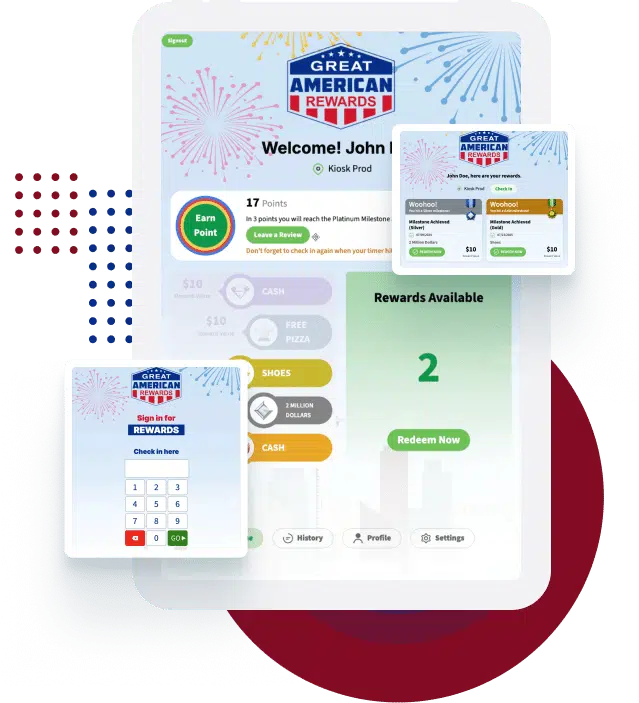
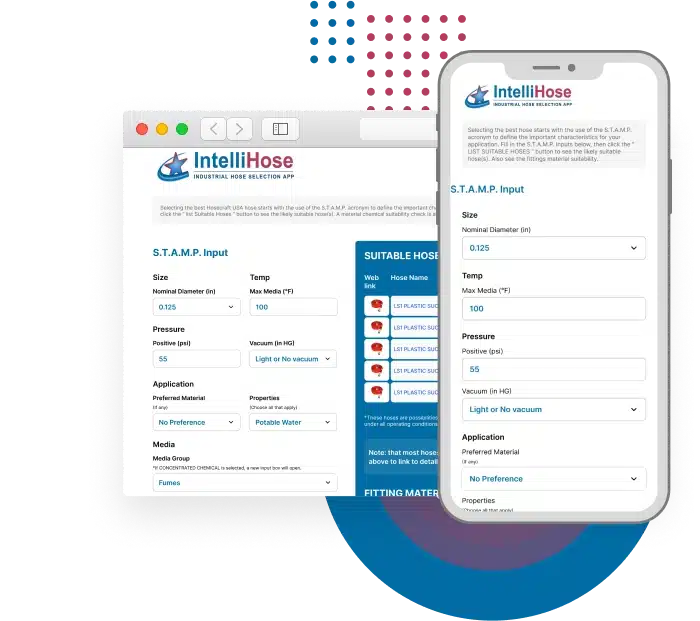

 PWA development cost is considered moderate when compared to native apps, mostly 35-75% cheaper.