
 Design
 App Development
 Web Engineering
 AI Services
 Cloud
Cloud Staffing
 Startups
 Health / Fitness
 Education
 Social
 Nonprofit
 Fintech
 Construction
 Logistics
 Government
 Travel/Hospitality
 HR Software
 About Simpalm
 Our News
 Client Testimonials
 Careers
 Our Blog
 Awards
 Resources
 Information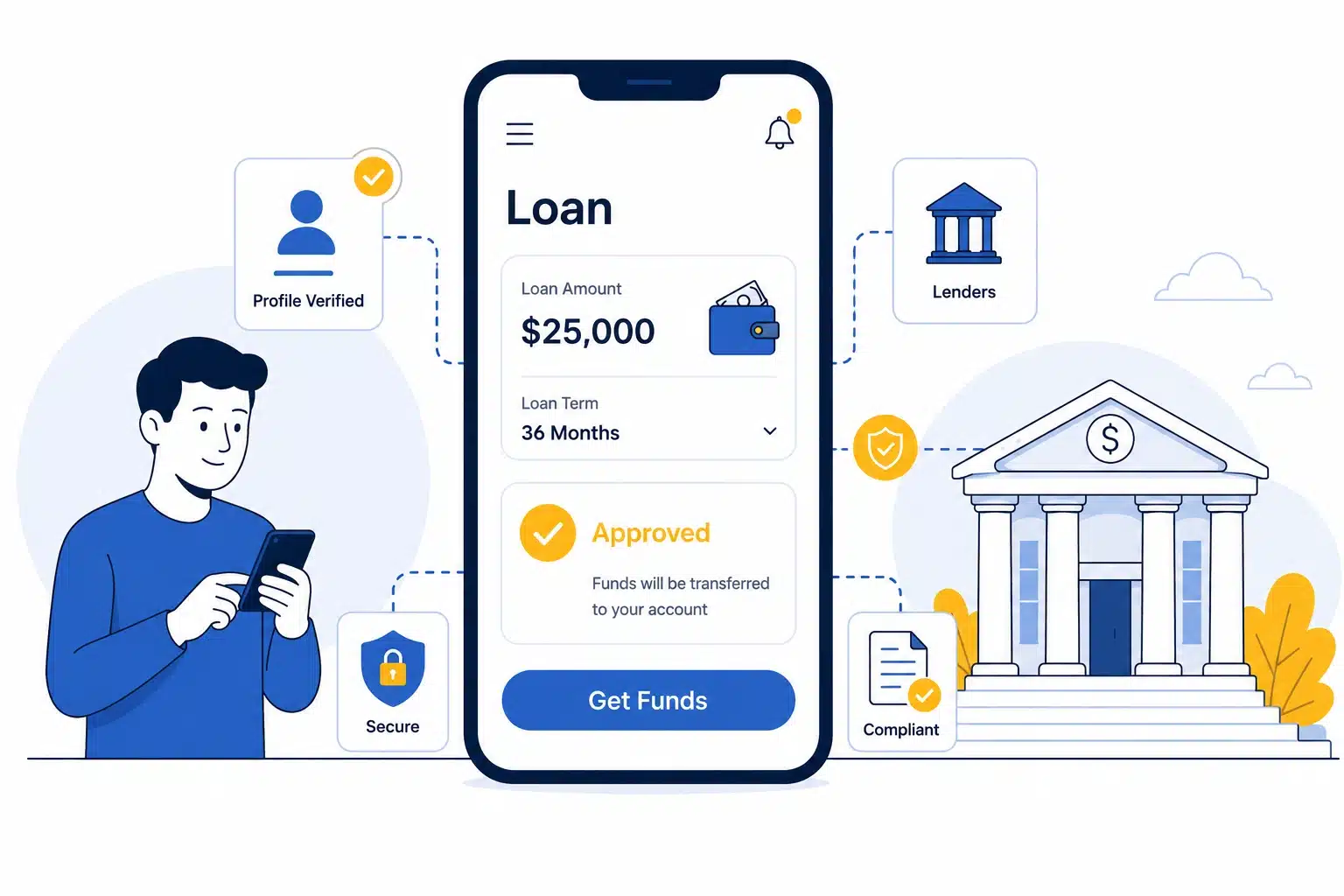
Key Takeaways
- Loan lending apps are not one product. Payday apps, personal loan apps, business loan apps, and P2P lending platforms each serve a different borrower and need a different feature set.
- Features that matter most are the ones that speed up trust, such as instant credit checks, transparent payment schedules, and clear loan calculators.
- Compliance is the single most overlooked part of loan app development. KYC, AML, lending disclosure laws, and data protection rules all shape how the app must be built.
- Cost and timeline depend heavily on how many credit bureaus, payment processors, and identity verification services the app needs to connect with.
________________________________________________________________________________________
Getting a loan used to mean a trip to the bank, a stack of paperwork, and a wait of days or weeks for approval. Today, apps like EarnIn, MoneyLion, and SoFi let people apply for a loan, get approved, and receive funds in their account within minutes, all from a phone. This shift has turned lending into one of the fastest-growing categories in fintech, and it has opened the door for both established banks and new startups to build their own lending products.
This guide covers what a loan lending app actually is, the different types you can build, the features that matter most, the tech stack behind a modern lending app, the development process, the compliance rules you cannot skip, realistic costs, the team you need, and tips for keeping borrowers coming back after their first loan.
What Is a Loan Lending App?
A loan lending app is a digital platform that connects borrowers with lenders and automates the process of applying for, approving, and repaying a loan. Instead of visiting a bank branch, a user fills out an application inside the app, the app pulls credit data and verifies identity, and a decision gets made in minutes rather than days.
Behind the simple interface sits a chain of data checks. The app verifies the user’s identity, pulls a credit report from a bureau like Experian or Equifax, runs a risk score, and confirms bank account details before releasing funds. Some apps connect borrowers directly with individual lenders in a peer-to-peer model, while others lend from the company’s own capital pool. Either way, the app’s core job is to turn a process that used to take days into one that takes minutes, without compromising on risk assessment or compliance.
This is what makes lending apps harder to build than many other fintech products. Every decision the app makes, whether to approve a loan and at what rate, carries real financial and legal weight. Getting the underwriting logic and the compliance layer right is what separates a trustworthy lending app from one that gets shut down by regulators or loses users to fraud.
The Loan Lending App Market in 2026
Digital lending has moved from a niche alternative to a mainstream way people borrow money. The global digital lending market was valued at roughly 453 billion dollars in 2024, and researchers project it will grow to nearly 800 billion dollars by 2029, a strong signal that this shift is far from finished.
For founders, banks, and fintech startups, this growth translates into a real business opportunity in a few specific ways.
- Faster approvals win customers: Traditional banks can take days to approve a loan. An app that approves in minutes captures borrowers who need cash quickly and are willing to switch lenders for speed.
- Multiple lending models to choose from: You can lend directly from your own capital, connect borrowers with individual investors in a peer-to-peer model, or act as a marketplace that routes applications to multiple lending partners.
- Strong recurring revenue potential: Interest income, origination fees, and subscription tiers for premium features like lower rates or faster funding can all coexist in one app.
- Room to specialize: Categories like student loans, business loans, and payday advances each have distinct borrower needs, and a focused app can build trust faster than a generalist lender trying to serve everyone.
- Better risk data over time: Every application and repayment generates data that improves credit models, which means your underwriting gets sharper and your default rates drop as your user base grows.
Pro tip: Do not try to compete with every type of lender at once. Successful lending apps usually start narrow, such as short-term personal loans or business working capital, and expand into new loan types once the underwriting model is proven.
Types of Loan Lending Apps
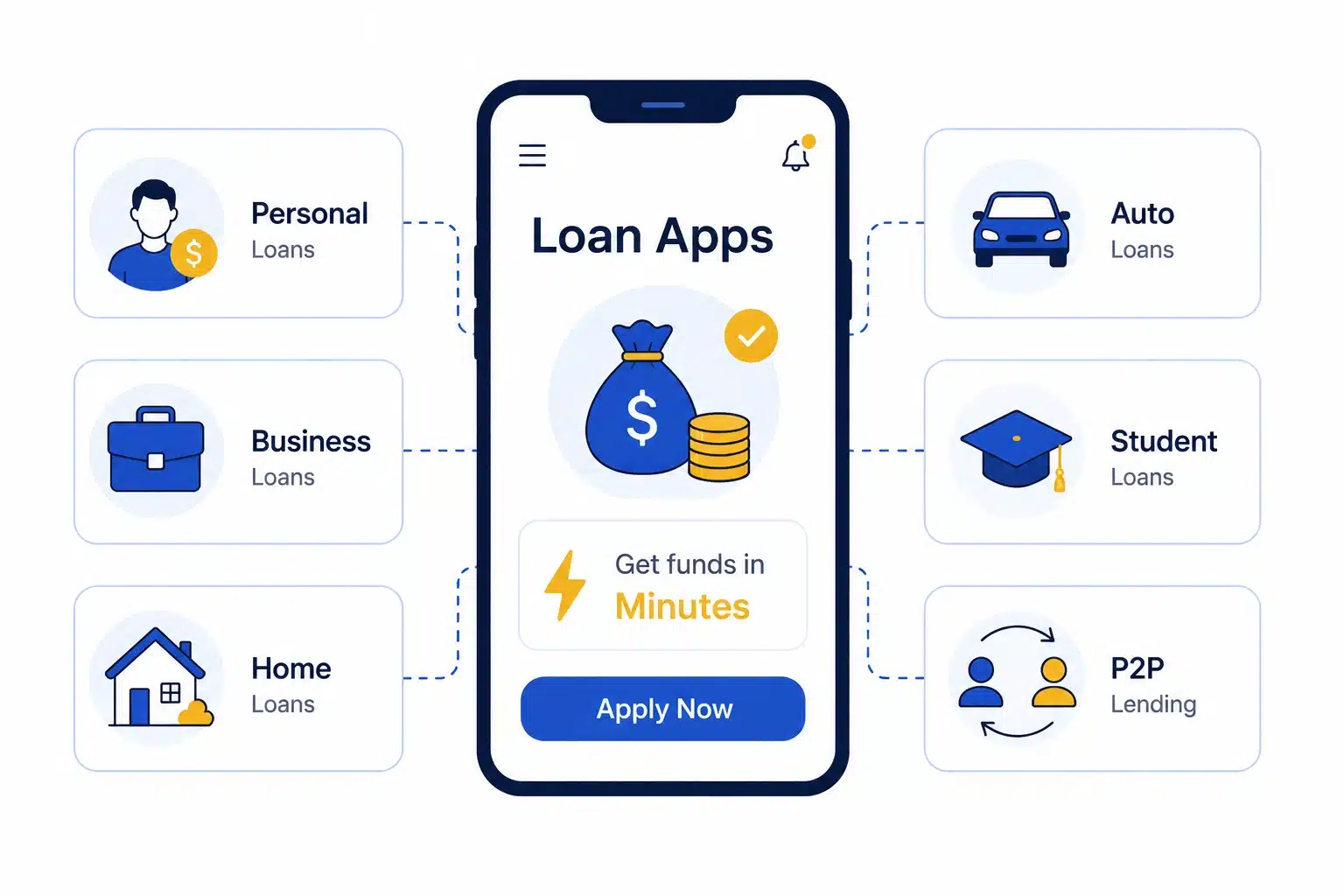
Lending is not one problem. Different borrowers need different amounts, different speeds, and different repayment terms. Each type of loan app is built to solve one specific borrowing need well.
- Payday and instant cash apps Let users access a portion of their earned wages before payday, usually for a small fee rather than interest. In the UK, borrowers comparing payday or short-term credit may also come across credit brokers such as UK Payday, which operate differently from earned-wage-access apps. EarnIn is a well-known example, and these apps work best when tied directly into a user’s bank account or payroll data.
- Personal loan apps let users apply for a loan without visiting a branch, typically for larger purchases or bill consolidation. These apps depend heavily on fast credit checks and clear repayment terms.
- Business loan apps target startups and small businesses that need working capital, equipment financing, or a line of credit. These apps often require deeper underwriting since business finances are more complex than personal credit.
- Home loan apps handle mortgage applications and ongoing loan management, and they involve the most regulatory complexity of any lending category due to the size and duration of the loans.
- Vehicle loan apps focus on auto financing, often integrating directly with dealership systems to approve loans at the point of sale.
- Student loan apps serve borrowers covering education costs, often with more flexible repayment structures tied to income after graduation.
- Peer-to-peer lending apps connect individual investors directly with borrowers, allowing the platform to earn a fee on each match rather than lend its own capital. This model shifts much of the credit risk away from the platform itself.
Which Type Should You Build? A Simple Decision Framework
Most founders try to build a broad-based lending app that serves every type of borrower at once. This usually leads to a product that is mediocre at everything and struggles to build trust in any single category. Three questions can help narrow the decision.
Who is your target borrower?
A gig worker needing fast cash before payday has very different needs than a small business owner seeking a six-figure line of credit. Define the borrower first, since it shapes everything from loan size to underwriting speed.
Where does your capital come from?
If you plan to lend your own money, you carry the credit risk directly and need strong underwriting from day one. If you plan to run a peer-to-peer or marketplace model, your job shifts toward matching borrowers with the right lenders and managing platform trust instead.
How much regulatory complexity can you handle at launch?
Payday and personal loan apps generally face fewer regulatory hurdles than home loan or business loan apps, which often require state-by-state lending licenses. If speed to market matters most, this question often decides your starting category.
Once you know your primary type, the next decision is which features actually belong in your first version.
Popular Features for a Loan Lending App
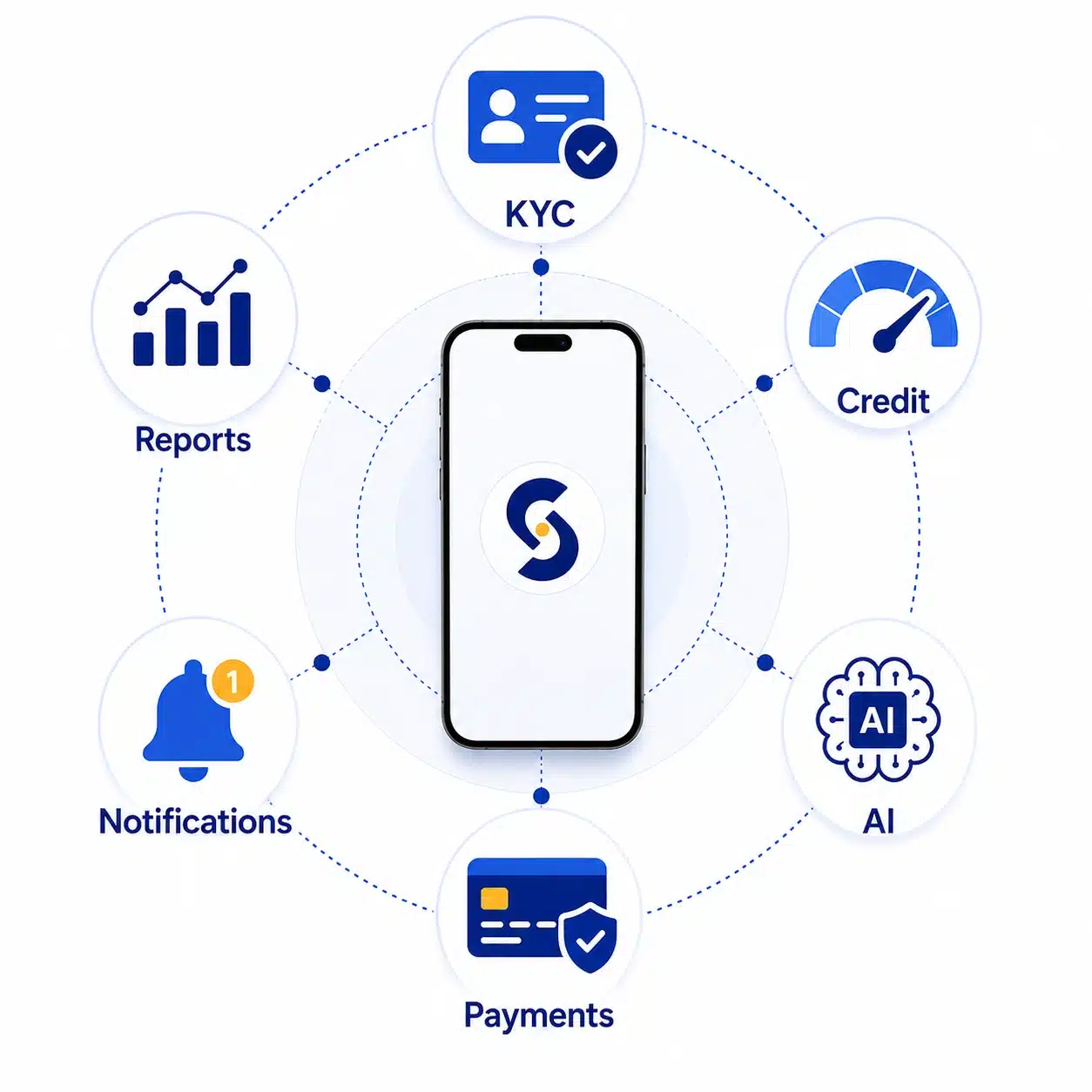
Every feature should reduce friction or build trust at a specific moment in the borrowing journey. Below are the features that matter most, grouped by what they actually do for the user.
Core Features
- User registration and KYC: A smooth sign-up process that verifies identity, income, and eligibility while staying compliant with know your customer rules is the foundation of every lending app. Weak KYC creates fraud risk, while overly long forms cause drop-off.
- Loan calculator: Letting borrowers see estimated payments, interest, and total cost before applying builds trust and reduces support questions later. This is one of the simplest features to build and one of the most valuable for conversion.
- Application and approval flow: A clear step-by-step application, with real-time status updates, keeps borrowers from abandoning the process partway through. Approval decisions should be communicated quickly, even if the answer is no.
Loan Management Features
- Payment schedules and billing: Borrowers need a clear view of upcoming payments, due dates, and total remaining balance. This reduces missed payments and support calls significantly.
- Loan tracking and reports: Both lenders and borrowers benefit from dashboards showing loan status, payment history, and outstanding balances in one place.
- Automated repayment options: Letting borrowers set up autopay reduces late payments and improves the lender’s repayment rate, while still giving users the option to pay manually if they prefer.
Pro tip: Build the payment schedule and notification system early, even in a minimum viable product. Missed payments are one of the biggest risks in lending, and a clear, well-timed reminder system reduces defaults more than almost any other single feature.
Trust and Engagement Features
- Notifications: Timely alerts about upcoming payments, approval decisions, and new offers keep users engaged without feeling spammed. Letting users customize notification preferences improves retention.
- Customer support tools: In-app chat and AI-powered chatbots handle routine questions quickly, freeing human support agents to handle disputes and complex cases.
- Credit score tracking: Letting users see how their loan activity affects their credit score and offering tips to improve it builds long-term trust and gives users a reason to keep the app installed after their loan is repaid.
AI-Powered Features
- AI credit scoring: Machine learning models can analyze income, employment history, and alternative data points to assess creditworthiness more accurately than manual review, which also helps extend credit to borrowers with thin credit files.
- Automated loan approval: AI can verify documents and process applications automatically, cutting approval times from days to minutes while reducing the manual workload on loan officers.
- Fraud detection: Machine learning models are effective at spotting unusual patterns in applications, such as mismatched identity data or suspicious transaction histories, before a loan is funded.
- AI chat support: A chat assistant that answers loan status questions and payment queries around the clock reduces support costs while keeping response times fast.
Also Read: The Rise of AI in App Development
Features by App Type
| Feature | Personal Loan App | Business Loan App | P2P Lending App | Payday App |
| AI credit scoring | Yes | Yes | Optional | Optional |
| Automated approval | Yes | Optional | No | Yes |
| Payment schedule tracking | Yes | Yes | Yes | Optional |
| Investor matching tools | No | No | Yes | No |
Tech Stack for Loan Lending App Development
A modern lending app is built on a stack that can handle sensitive financial data, real-time credit checks, and secure fund transfers without downtime.
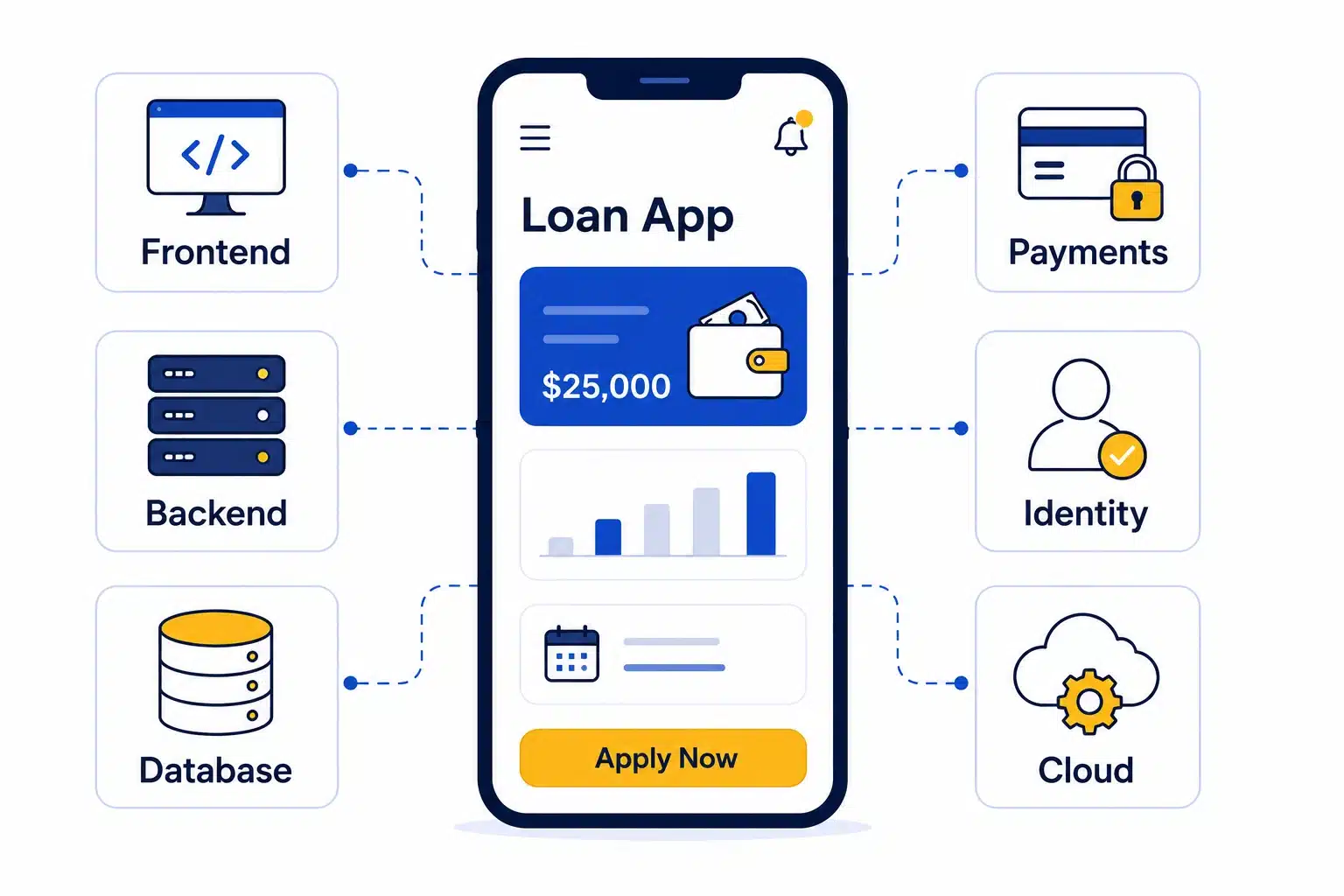
On the frontend, React works well for a responsive web dashboard where borrowers and lenders track loan activity. For mobile, Flutter allows a single codebase to power both iOS and Android, which keeps the application flow and notifications consistent across platforms. The mobile app development team recommends this approach for lending apps that need to launch on both platforms without doubling the budget.
On the backend, Node.js or Python frameworks like Django handle the business logic needed for underwriting, approval workflows, and payment processing. PostgreSQL stores structured loan and user data reliably, while encryption at rest and in transit protects sensitive financial information.
The integration layer is where lending apps get complex. Credit data typically comes from bureaus like Experian, Equifax, or TransUnion. Identity verification runs through providers like Persona or Onfido. Payments and fund transfers rely on Stripe, Plaid, or ACH processors. Fraud detection often uses a dedicated risk engine layered on top of transaction data.
| Layer | Recommended Technology | Purpose |
| Mobile Frontend | Flutter | Cross-platform iOS and Android from one codebase |
| Web Frontend | React | Responsive borrower and lender dashboards |
| Backend | Node.js / Python (Django) | Underwriting logic, approval workflows |
| Database | PostgreSQL | Structured loan and user data |
| Credit Data | Experian, Equifax, TransUnion | Credit scoring and risk assessment |
| Identity Verification | Persona, Onfido | KYC and fraud prevention |
| Payments | Stripe, Plaid, ACH | Fund disbursement and repayment processing |
Step by Step Development Process
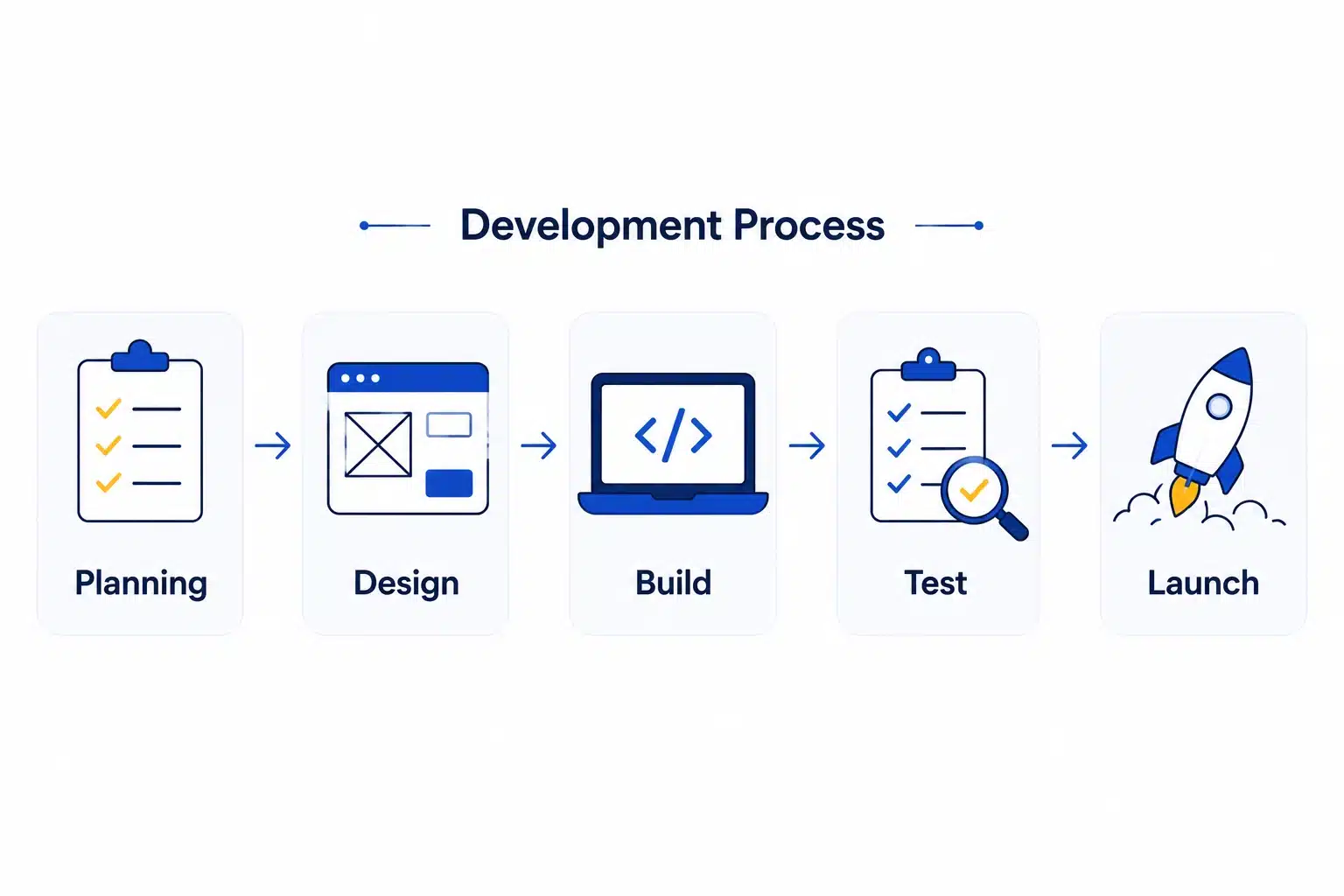
Step 1: Market Research and Planning
Everything starts with defining your target borrower, lending model, and regulatory scope. This phase includes competitor analysis and identifying which credit bureaus and payment processors the app will depend on. By the end, you should have a clear scope, a rough architecture, and a realistic timeline.
Step 2: UX and UI Design
Borrowers applying for a loan are often under financial stress, so the design needs to prioritize clarity above everything else. Wireframes map out the application flow, and prototypes get tested against real borrowing scenarios before any code is written.
Step 3: MVP Development
This is where the biggest technical challenges show up. The backend needs to handle credit checks, underwriting logic, and secure fund transfers, while the frontend delivers a smooth application experience. Most successful lending apps launch with a narrow feature set, typically application, approval, and repayment tracking, rather than every feature at once.
Step 4: Testing and Quality Assurance
Lending apps cannot afford errors in underwriting or payment processing, so testing covers credit bureau integration reliability, payment accuracy, security penetration testing, and compliance validation. Beta testing with real users often catches usability issues in the application flow that internal testing misses.
Step 5: Launch and Post-Launch Support
After launch, regulatory requirements continue to evolve, credit bureau APIs get updated, and fraud patterns shift over time. Most teams plan for 15 to 25 percent of the annual development budget toward ongoing maintenance and compliance updates.
Also Read: Digital Wallet App Development: Complete Guide
Compliance, Security, and Legal Considerations
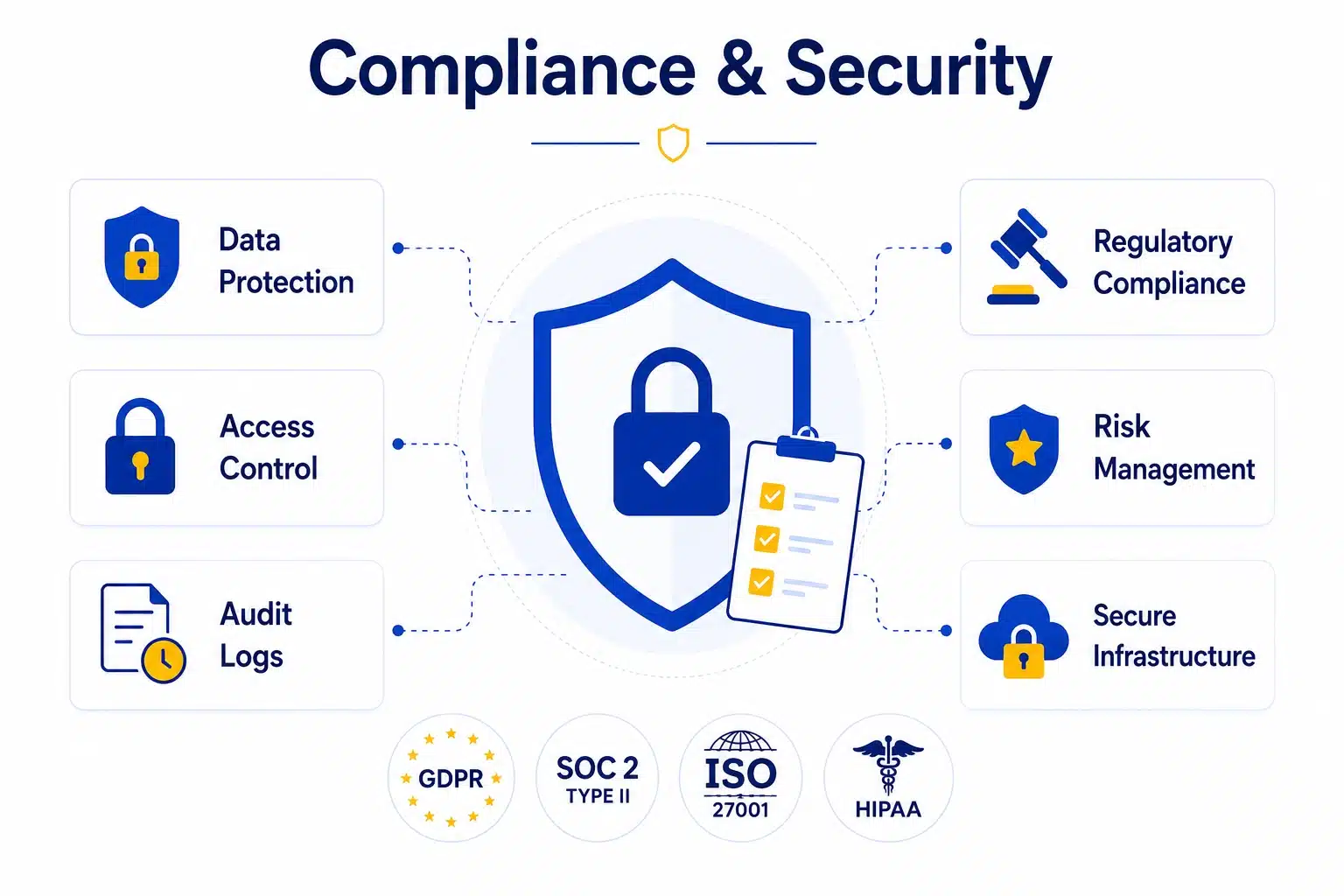
Lending apps handle sensitive financial data and carry real legal weight in every decision they make, so compliance planning is not optional. Skipping it is one of the most expensive mistakes a founder can make.
- KYC and AML requirements: Know your customer and anti-money laundering rules require verifying borrower identity and monitoring for suspicious activity. These rules vary by country, so international lending apps need region-specific compliance logic.
- Truth in Lending Act: In the United States, this law requires clear disclosure of loan terms, interest rates, and fees before a borrower agrees to a loan. Hiding costs in fine print is both a legal risk and a trust killer.
- Equal Credit Opportunity Act: This law prohibits discrimination in lending decisions based on race, gender, age, or other protected characteristics. AI underwriting models need regular auditing to ensure they are not introducing bias.
- State lending licenses: Many countries and states require specific licenses to originate loans, and requirements differ significantly by loan type and jurisdiction. This is often the single biggest compliance hurdle for new lending apps.
- GDPR for international users: If your app serves borrowers in the European Union, GDPR requires explicit consent for data collection and a clear process for data deletion requests.
- PCI DSS compliance: Any app processing card payments must meet Payment Card Industry Data Security Standards. Most teams reduce this burden by using a processor like Stripe that handles compliance at the infrastructure level.
Building compliance into the architecture from the beginning is far less expensive than retrofitting it after launch, particularly once real borrower data is already flowing through the system.
How Much Does It Cost to Build a Loan Lending App?
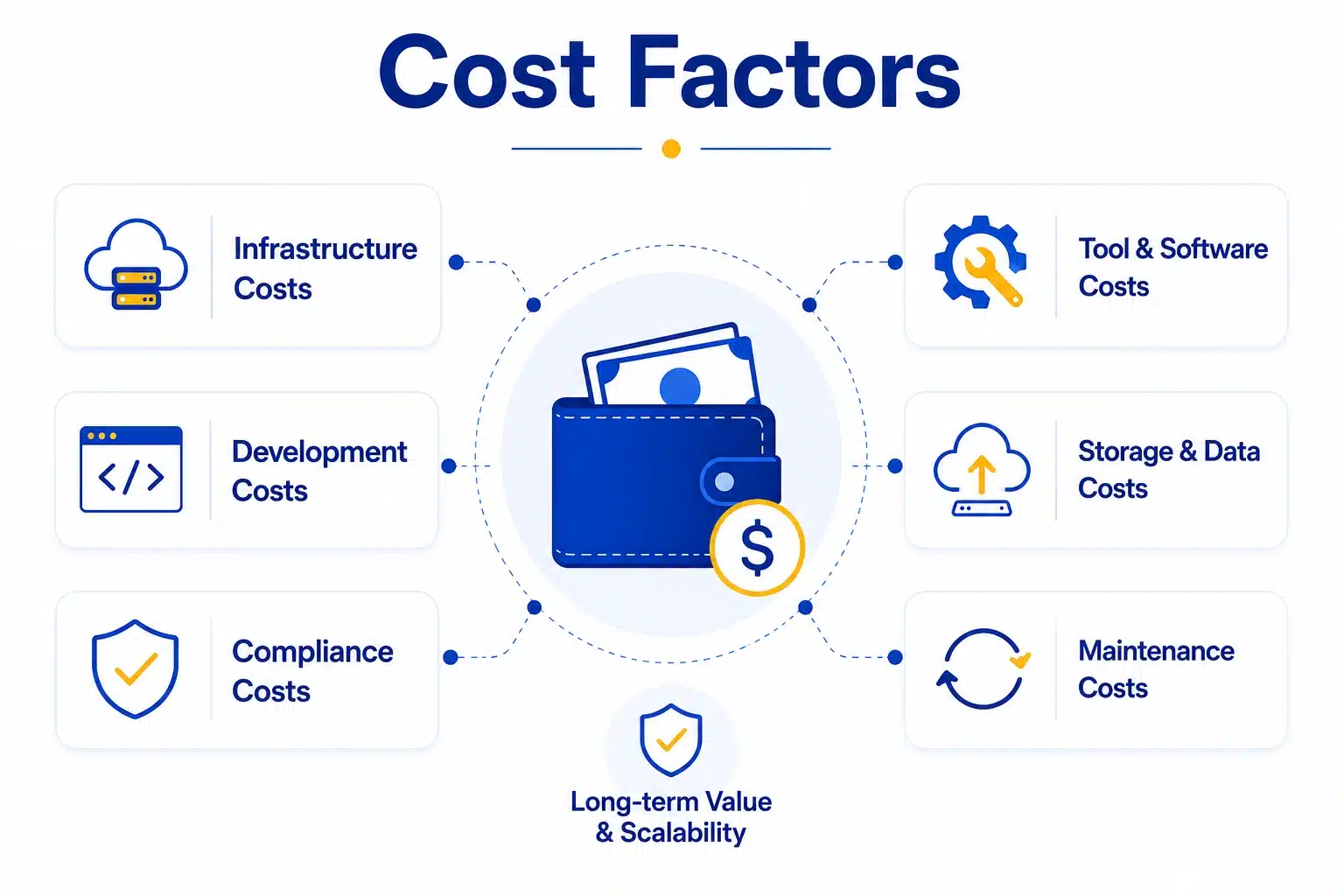
Loan lending app costs vary based on complexity, the number of integrations required, and how much regulatory work is involved.
| App Tier | What You Get | Estimated Cost | Timeline |
| Basic MVP | Application flow, basic credit check, single platform | $30,000 to $60,000 | 3 to 4 months |
| Mid Tier | AI credit scoring, automated approval, both platforms | $60,000 to $150,000 | 4 to 6 months |
| Advanced | Full compliance suite, fraud detection, multi-region support | $150,000 to $300,000 | 7 to 10 months |
What Drives Cost Up
Credit bureau and identity verification integrations are usually the biggest cost driver. Connecting to Experian, Equifax, or identity verification providers typically adds significant licensing and development work, particularly if the app needs to support multiple regions with different bureaus.
Compliance work adds cost as well. Building region-specific KYC and AML logic, along with legal review for lending disclosure requirements, is a meaningful investment that should not be cut to save money early.
Where to Optimize Without Cutting Corners
Choosing cross-platform development with Flutter instead of separate native apps typically saves 30 to 40 percent compared to native development. Starting with a single loan type and a single region before expanding is another practical way to control both cost and regulatory complexity early on.
Who Do You Need on Your Team?
Building a lending app well requires a specific mix of skills beyond general app development experience.
A product manager with fintech or lending experience understands underwriting logic and regulatory requirements, which shortens the learning curve significantly. Backend engineers with financial API integration experience are essential, since most of the complexity lives in connecting credit bureaus, payment processors, and identity verification services. A data scientist or ML engineer is valuable for building and auditing credit scoring models. A compliance or legal consultant with lending law expertise should be involved from the earliest planning stages, not brought in right before launch. Finally, a QA engineer with financial systems testing experience is critical given how much is at stake if underwriting or payment logic breaks.
Smaller teams do not need every role filled from day one, but skipping compliance expertise or financial API experience almost always leads to expensive rework or regulatory problems later.
Post Launch: Retention and Growth Tips
Launching a lending app is only the beginning. Long-term success depends on keeping borrowers engaged, reducing defaults, and encouraging repeat borrowing through a better customer experience.
Strategies to Improve Retention
- Offer credit score tracking: Give users a reason to return even after a loan is repaid.
- Reward responsible borrowers: Provide better interest rates or higher credit limits to customers with strong repayment histories.
- Automate payment reminders: Send timely, proactive notifications to reduce missed payments and defaults.
- Optimize continuously: Use app store reviews and user behavior data to remove friction and improve conversion rates.
Key Metrics to Track
Focus on business outcomes rather than download numbers by monitoring:
| Metric | Why It Matters |
| Approval rate | Measures how effectively applications are converted into approved loans. |
| Default rate | Indicates portfolio risk and lending quality. |
| Repeat borrower rate | Reflects customer satisfaction, loyalty, and lifetime value. |
These metrics provide a far more accurate picture of long-term success than installs alone, since a profitable lending app is built on sustainable borrower relationships rather than user acquisition.
Conclusion
Loan lending app development sits at the intersection of complex financial logic, strict regulatory requirements, and a user base that needs to trust the app with real money decisions. The apps that succeed share a few clear traits.
- They choose one borrower segment and lending model to serve exceptionally well rather than trying to be a generalist lender from day one.
- They treat compliance, KYC, and fraud detection as core requirements from the very first version, not features to add later.
- They build retention tools like credit tracking and loyalty pricing so borrowers stay engaged well beyond their first loan.
Choosing the right loan type, building the right features for that type, and getting the compliance foundation right from day one will determine whether your app becomes a trusted financial partner or one users abandon after a single frustrating experience.
If you are ready to move from planning to building, working with an experienced fintech app development company that understands lending-specific challenges, from credit bureau integrations to regulatory compliance, can save significant time and budget compared to learning these lessons mid-project.
Frequently Asked Questions
How long does it take to build a loan lending app?
A basic MVP typically takes four to six months from planning to launch. A mid-tier app with deeper integrations usually takes six to ten months. Advanced apps with full compliance and multi-region support can take ten to sixteen months. Regulatory review often adds time beyond the technical build itself.
What type of loan lending app should I build first?
This depends on your target borrower and available capital. Personal or payday loan apps generally face fewer regulatory hurdles and can launch faster. Business or home loan apps involve more complex underwriting and licensing but often carry higher loan values. Peer-to-peer models shift much of the credit risk to individual investors rather than the platform itself.
Do loan lending apps need special licenses?
Yes, in most cases. Many countries and states require specific lending licenses depending on the loan type, amount, and interest rate charged. Requirements vary significantly by jurisdiction, so early legal review is essential before choosing which markets to launch in.
How does AI improve loan approval decisions?
AI models can analyze a wider range of data than manual underwriting, including alternative data points beyond traditional credit scores, which helps assess borrowers with thin credit files more accurately. AI also speeds up approval from days to minutes and helps detect fraud patterns that manual review might miss. Models still need regular auditing to avoid introducing bias into lending decisions.
What features matter most for a lending app’s first version?
A clear application and approval flow, a loan calculator, and a payment schedule tracking form the core of almost every successful lending app MVP. KYC and identity verification are non-negotiable from day one due to compliance requirements. AI credit scoring and automated approval are valuable but can often be added once the manual process is proven and stable.